
Introduction
A tire does not need to be completely flat to cause problems. Many Southside drivers notice one tire that looks fine but keeps losing air every day or two. The warning light turns on again after refilling, or the car feels slightly off in corners, even though nothing looks wrong at first glance.
Slow leaks are common with everyday driving around Philips Highway and nearby routes. The tricky part is knowing when a leak is minor, and when it needs professional attention. This guide explains the most common causes, a quick way to confirm the leak, and what a tire repair shop checks to solve it properly.
Why Tires Lose Air Without Going Flat
Most tire leaks start small. Air escapes slowly, which makes the issue easy to overlook.
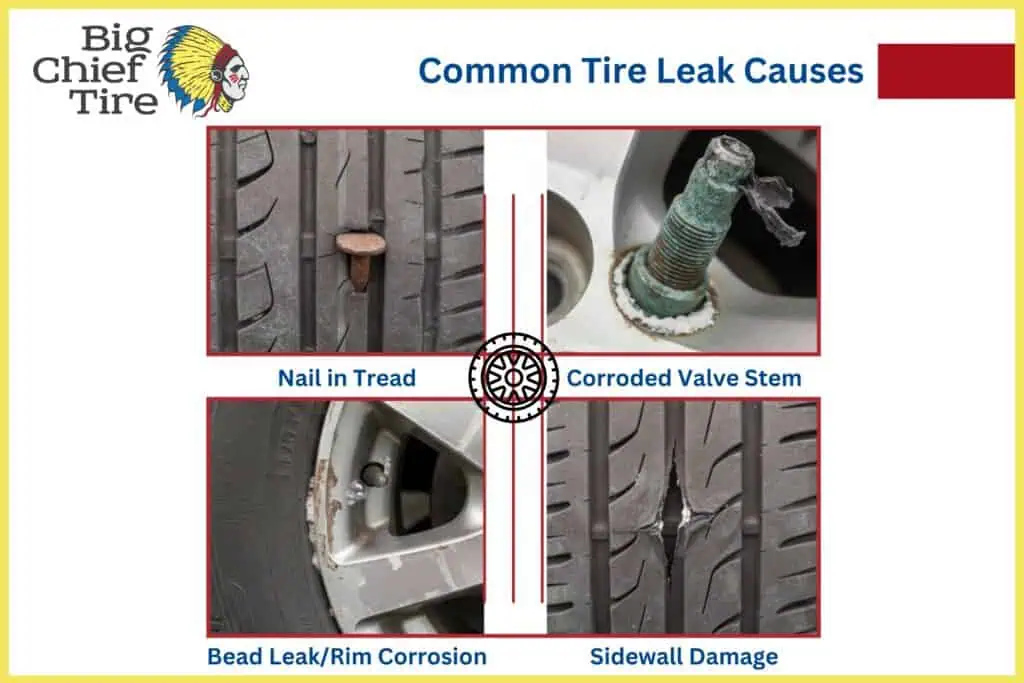
Common causes include:
- Tiny nails or screws in the tread that seal temporarily while driving
- Bead leaks where the tire meets the wheel, often caused by corrosion
- Aging or cracked valve stems
- Temperature changes that expose an existing weak seal
Because these issues do not always leave visible damage, drivers often keep adding air instead of addressing the root cause. Over time, this repeated pressure loss can affect handling, braking, and tire life.
How to Tell If Your Tire Is Actually Leaking
Before visiting a tire shop, drivers can confirm whether the tire is losing air or simply reacting to temperature changes.
- A simple at home check involves mixing dish soap with water and spraying it around the tread, valve stem, and bead area while the tire is inflated. If bubbles form, air is escaping at that spot. This test is effective because it reveals leaks that are not visible to the eye.
- A visual inspection can also help. Look closely for objects embedded in the tread, cracks in the sidewall, bulges, or corrosion around the valve stem. Dirt buildup where the tire meets the wheel can also signal a bead related issue.
- The Tire Pressure Monitoring System often provides the clearest clue. A light that turns on, goes off after inflation, and then returns days later usually points to a slow leak rather than a one time pressure drop. When one tire behaves differently from the others, it is rarely a coincidence.
Common Tire Leak Causes for Southside Drivers
Driving conditions on Jacksonville’s Southside create a few patterns technicians see repeatedly.
- Construction along Philips Highway, Beach Boulevard, and Southside Boulevard increases exposure to nails, screws, and metal debris. Punctures from construction zones are one of the most common reasons tires lose air in this area.
- Humidity and salt in the air also play a role. Over time, corrosion forms on wheel rims, especially aluminum wheels. This corrosion disrupts the seal between the tire and wheel, allowing air to leak out slowly.
- Temperature swings contribute as well. Pressure naturally changes with temperature, but when one tire loses significantly more air than the others during daily fluctuations, it often reveals an underlying leak that temperature changes are exposing.
When a Slow Leak Becomes a Safety Issue
A slow leak becomes a safety issue when it starts affecting consistency and control.
Drivers often notice:
- One tire repeatedly losing pressure while others stay stable
- The TPMS light returning shortly after inflation
- A tire that feels softer during turns or braking
- Uneven pressure readings between front and rear tires
- Visible tread wear that appears uneven or accelerated
- A pulling sensation while driving straight
- The tire looking noticeably lower in the morning
When these patterns appear, the leak is no longer random. It is a sign that air is escaping in a way that needs proper inspection rather than repeated refills.
Is It Safe to Drive on a Leaking Tire
Safety depends on how quickly the tire is losing air and how far the vehicle needs to travel.
If pressure drops slowly over several days, the tire still holds adequate air, and handling feels normal, it is usually safe to drive carefully to a nearby tire shop during daylight hours. Speeds should stay moderate, and highways should be avoided.
Driving is not safe when pressure drops within hours, the tire appears visibly low, sidewall damage is present, or handling feels unstable. In those cases, using a spare tire or roadside assistance is the safer choice.
Driving on a severely underinflated tire can cause internal damage that makes an otherwise repairable tire unsafe to fix.
Why Air Refills and DIY Fixes Rarely Solve the Problem
Adding air only masks the issue. External plugs and sealants may slow air loss temporarily, but they do not restore the tire’s internal seal.
Over time, moisture can reach the steel belts inside the tire, leading to accelerated wear or sudden failure. Sealants can also contaminate the tire, making proper repairs difficult or impossible later. For many drivers searching for a tire shop near me, the real fix often comes after quick solutions fail repeatedly.
What a Professional Tire Inspection Looks
A proper tire inspection involves more than checking air pressure or scanning the tread. Technicians remove the tire from the wheel to examine the inner liner, where damage often exists without being visible from the outside.
They assess the puncture location, measure tread depth, inspect the bead area, and check the valve stem and wheel rim. This helps confirm whether the leak falls within a safe repair zone and whether the tire has been affected by being driven while underinflated.
This is also the stage where technicians determine if a repair meets safety standards or if replacement is the safer option. Professional repairs preserve the tire’s structural integrity, while quick roadside fixes are intended only for short term mobility and do not provide the same level of durability or long term safety.
Repairable Leaks vs When Replacement Is Safer
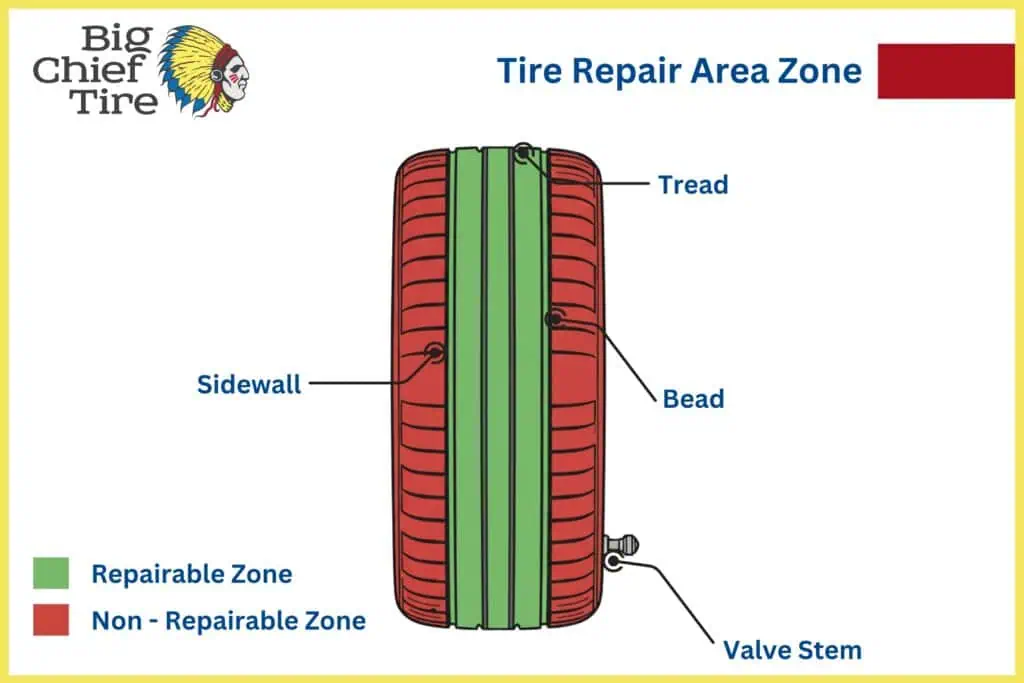
Not every leak requires a new tire, but not every tire can be repaired safely.
Leaks are typically repairable when the puncture is small, located in the center tread area, and the tire has sufficient tread remaining with no internal damage. Tires that have not been driven significantly while underinflated are more likely to qualify.
Replacement becomes the safer option when damage is in the sidewall or shoulder, the puncture is large, multiple punctures are close together, or the tire has been driven flat. Tires near the end of their service life also do not benefit from repairs.
Preventing Tire Leaks Going Forward
While no driver can avoid every road hazard, a few consistent habits greatly reduce the chances of dealing with repeat tire leaks.
- Check tire pressure regularly
Monthly pressure checks help spot slow leaks early. When one tire keeps losing air faster than the others, it often signals a developing issue that needs attention before it affects handling or tire life. - Look over your tires during normal routines
A quick visual check while fueling or parking can reveal objects lodged in the tread, sidewall cracks, or uneven wear patterns. Catching these signs early often makes the difference between a simple repair and a replacement. - Rotate tires on schedule
Regular rotations promote even wear and help technicians identify leaks, bead issues, or structural problems before they become severe. Uneven wear can hide slow leaks until the tire is already compromised. - Avoid curb and pothole impacts when possible
Even light curb contact can damage the tire bead or wheel edge, creating leaks that appear days or weeks later. After heavy rain, potholes become harder to see and can cause internal tire damage that leads to air loss. - Keep valve stem caps in place
Valve caps prevent dirt, moisture, and debris from entering the valve stem. Missing caps increase the chance of valve leaks, especially in humid conditions. - Monitor aging tires more closely
Tires harden as they age, even if tread depth still looks acceptable. Older rubber is more prone to cracking and seal failures, making routine inspections especially important after five to six years of use.
Building these habits into normal vehicle care helps reduce unexpected pressure loss and extends tire life, while improving safety and ride quality.
Your Trusted Tire Repair Shop on Philips Highway, Jacksonville FL
A tire that keeps losing air is more than an inconvenance, it’s a safety concern that needs professional attention before it leads to a larger problem. When Southside drivers need a tire repair shop on Philips Highway they can trust, they come to Big Chief Tire.
Our technicians diagnose leaks thoroughly, explain exactly what’s happening, and recommend the right solution based on safety standards, not guesswork.
Stop by or call today:
Big Chief Tire Southside
5639 Philips Hwy
Jacksonville, FL 32207
HOURS: MONDAY – FRIDAY 7:30AM – 5:30PM
PHONE: 904-320-2117
Walk-ins welcome | Most repairs completed in 30-45 minutes
For dependable inspections and professional tire care, Big Chief Tire helps Southside drivers stay safe and confident on the road.

