
Introduction
If you’ve made the switch to an electric vehicle, you’ve probably been told you can say goodbye to frequent brake jobs. For the most part, that’s true, EVs are famous for their longevity. But Jacksonville isn’t your average driving environment.
Between our brutal summer heat, 80% humidity, and the unique stop-and-go grind of Northeast Florida, the rules for EV brake repair change a bit.
Understanding how your EV stops (and how Jax roads push back) is the best way to avoid a surprise repair bill down the line.
Why EV Brakes Last Longer in the First Place
Electric vehicles use regenerative braking. When you lift your foot off the accelerator, the electric motor slows the vehicle and sends energy back into the battery. This reduces how often the friction brake pads and rotors are used.
In traditional gasoline vehicles, brake pads handle nearly all deceleration. In EVs, much of that slowing happens electronically before the brake pedal is pressed. Less friction means less heat buildup, reduced pad wear, and longer rotor life.
Under normal driving conditions, EV brake pads can last between 70,000 and 100,000 miles. That is significantly longer than the 30,000 to 60,000 miles commonly seen in gasoline vehicles.
How Local Driving Affects EV Brake Longevity
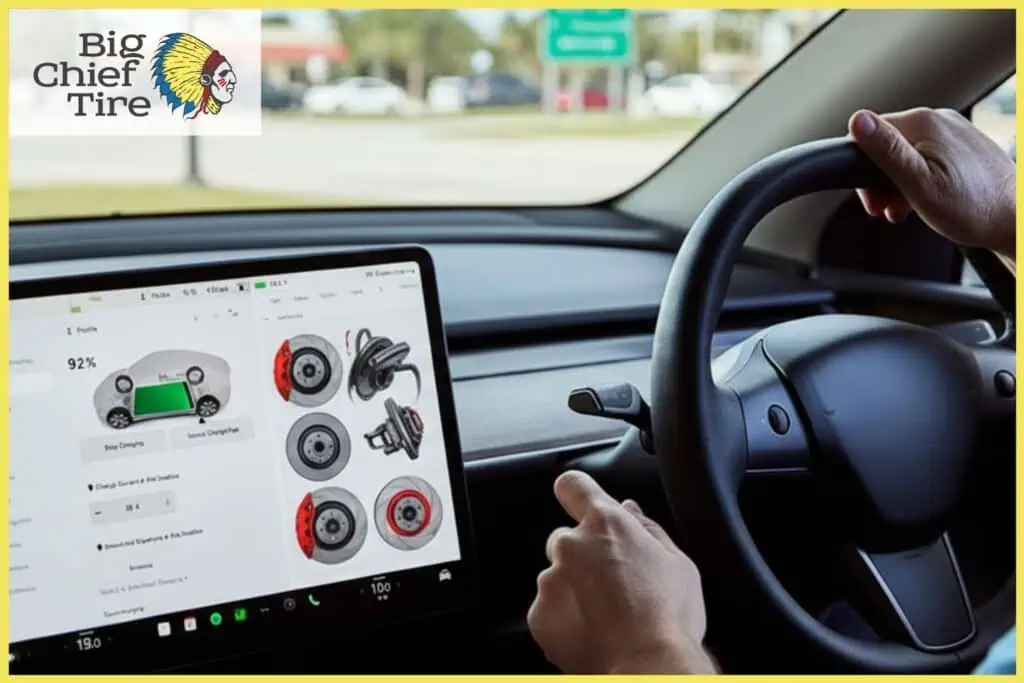
While regenerative braking reduces wear, real-world driving still places demands on brake systems.
Stop and Go Traffic on I-95 and Beach Boulevard
Even with “one-pedal driving,” heavy traffic requires frequent full stops. When you’re forced to hit the brakes hard, those pads are still biting down. Drivers commuting daily on I-95 or navigating Beach Boulevard traffic may see more brake use than expected.
Higher Speeds on JTB and 295
EVs are heavy. Battery packs add a lot of mass, which means when you do need to slow down from highway speeds on JTB, your rotors are under a lot more load than a lighter gas car. Over time, that weight can lead to rotor warping even if your pads still look brand new.
The Hidden Florida Factor: Humidity and Rust
EV brakes behave differently in coastal climates.
Local humidity regularly stays between 70 and 80 percent year-round. Areas near Atlantic Beach and Jax Beach also experience salt exposure.
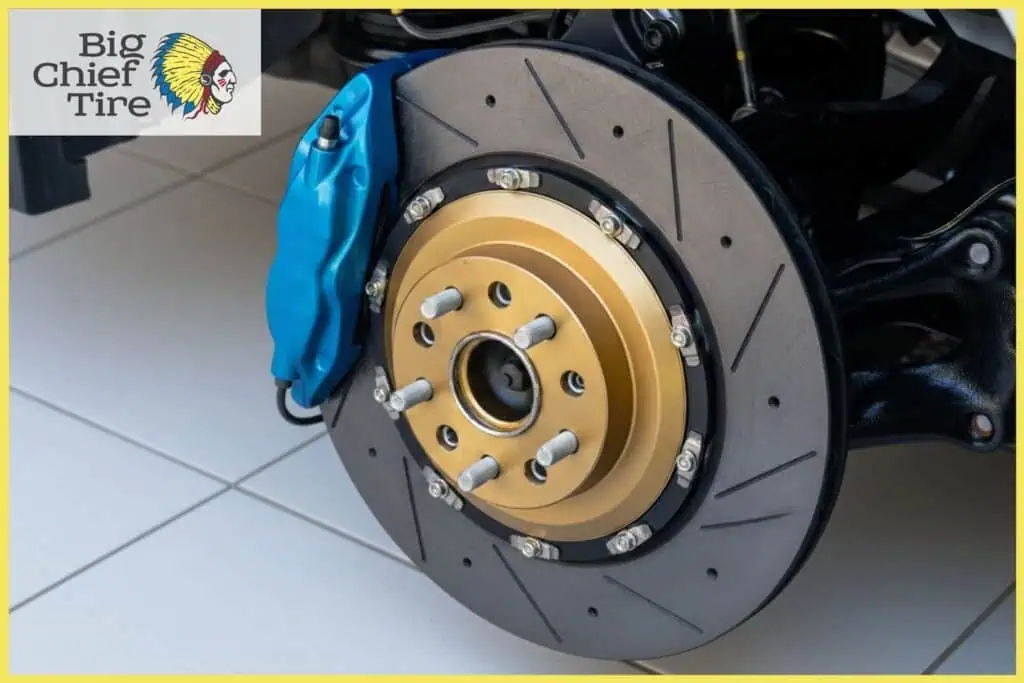
In gasoline vehicles, regular braking keeps rotors polished and removes surface rust. In EVs, friction brakes are used less frequently. That reduced contact allows light surface rust to form and remain longer. Moisture can also contribute to caliper sticking over time.
Brake rotors in humid coastal environments can develop surface rust within 48 to 72 hours of limited use. Some EV owners notice grinding sounds or vibration even with low mileage. In many cases, the issue is rotor corrosion rather than worn brake pads.
In humid environments, moisture often becomes as important as mileage.
Read how to take care of your EV in winter.
Do EV Brake Pads Really Last 100,000 Miles?
Sometimes yes. Sometimes no.
Pad life depends on:
- Driving style
- Commute type
- Frequency of hard stops
- Exposure to moisture
- Overall vehicle weight
Drivers who primarily commute highway miles and rely heavily on regenerative braking may see extended pad life. Drivers in heavy traffic or coastal areas may require service sooner, though typically still later than gasoline vehicles.
So, in short, EV brakes last longer, but they are not maintenance-free.
Signs Your EV Brakes Need Attention
Even with low mileage, watch for:
- Squeaking or chirping after a heavy rain.
- A crunchy grinding sound that doesn’t go away after a few stops.
- Vibration in your steering wheel when slowing down on the highway.
- A spongy feel in the brake pedal.
These symptoms often indicate rotor surface issues rather than worn pads. Early inspection prevents minor corrosion from turning into more expensive repairs.
A Simple Maintenance Tip for EV Owners
Once a week, when you’re in a safe, low-traffic area, give your brakes a firm, intentional press. This engages the actual friction brakes and scrubs the rotors clean of that Florida humidity. Think of it as a quick reset for your braking system.
Get Your EV Brakes Checked at Big Chief Tire in Jacksonville, FL
Because EVs rely less on friction braking, brake systems can sometimes deteriorate quietly. Routine inspections help identify corrosion, uneven rotor wear, or caliper concerns before they affect safety.
Brake fluid maintenance is particularly important for EVs. Industry experts and major manufacturers recommend replacing brake fluid every two years for electric vehicles. In humid climates, moisture absorption occurs more quickly, making this interval critical
Big Chief Tire provides complete auto repair services for electric and gasoline vehicles across Jacksonville.
If you have questions about EV brake performance or want your system evaluated, visit the location nearest you for an inspection based on real local driving conditions

