
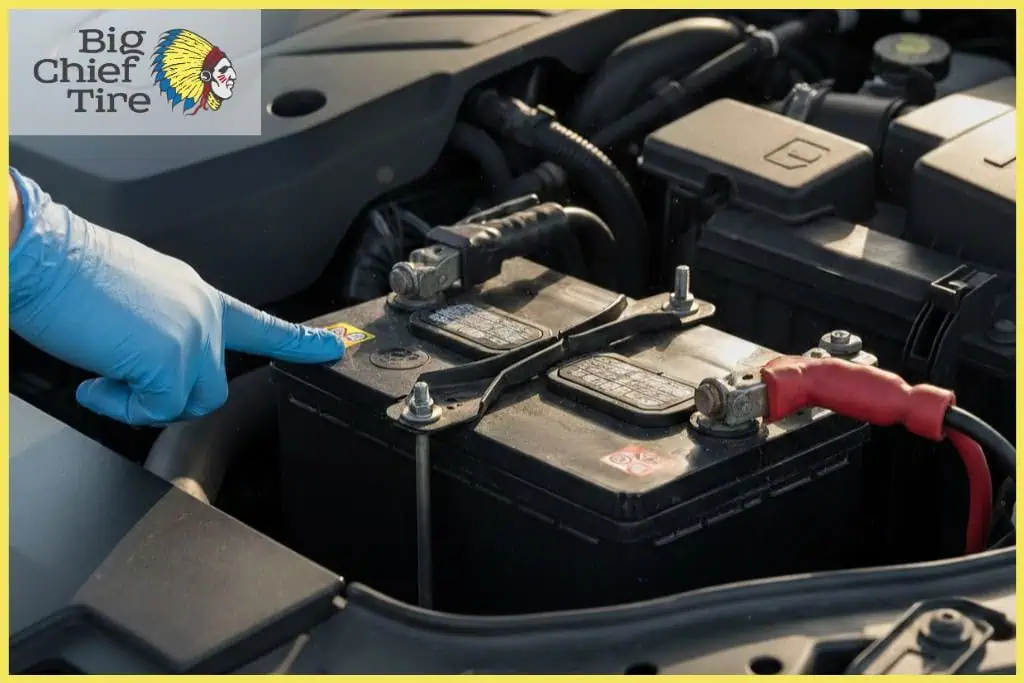
The summer heat in Jacksonville doesn’t just wear you down; it quietly destroys your car battery, too. And unlike most of the country, Jacksonville doesn’t ease into summer. This year, the heat is already here, with near-90-degree temperatures recorded in the last week of March.
For Northside drivers logging daily miles on Lem Turner Road or New Kings Road, the combination of rising temperatures and daily commute patterns creates one of the toughest environments a battery can face. In Florida’s climate, a battery that would last five years in a cooler climate typically survives just three years here.
If your battery has already seen two or three Jacksonville summers, it deserves a closer look before this one peaks. A car battery replacement in Jacksonville is a quick, planned service visit, until you ignore the signs and it becomes a roadside emergency.
Heat Damages Batteries Differently Than Cold
Most drivers assume winter is harder on batteries. The reality is the opposite, especially in Florida.
Heat affects a battery from the inside. High underhood temperatures cause internal battery fluid to evaporate, reducing capacity and accelerating corrosion.
Heat also speeds up sulfation – a buildup of lead sulfate crystals on the battery’s internal plates that permanently reduces the battery’s ability to hold a charge.
As temperatures rise, under-hood heat increases further, placing additional stress on already weakened components. This is why battery lifespan in Florida is shorter than the national average. The damage builds faster here than in most other climates.
Why The Northside Commute Makes it Worse
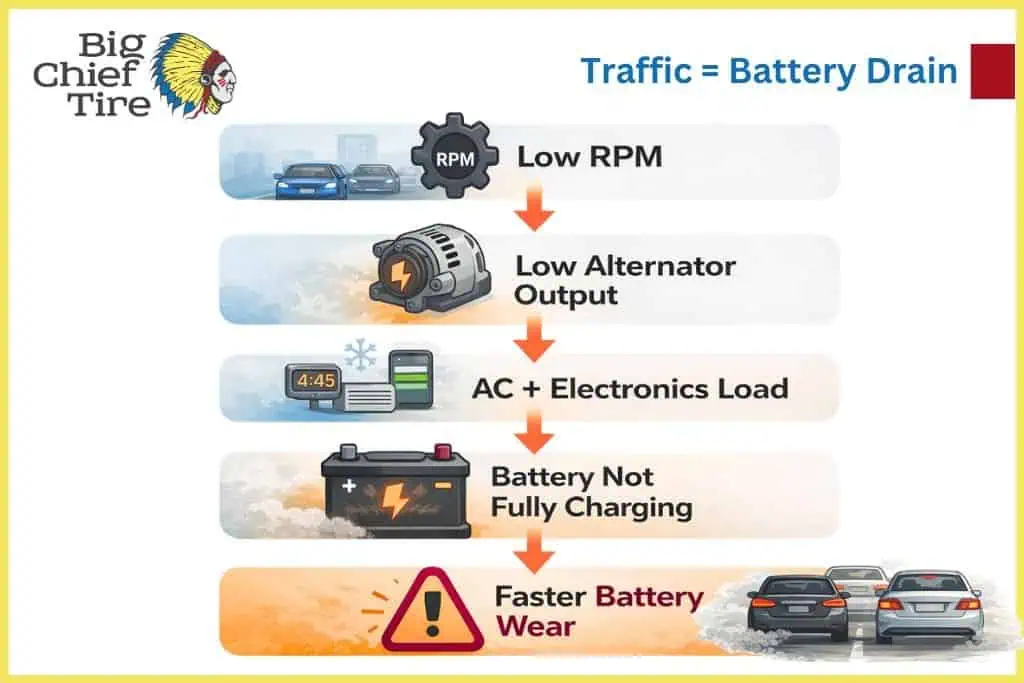
Heat damage is one issue. The Northside commute creates another.
When your car is idling in traffic or stopped at lights, engine RPMs drop. At lower RPMs, the alternator focuses on powering essential systems instead of fully recharging the battery.
For drivers on Lem Turner Road and I-295 during peak hours, this happens repeatedly. Short trips and stop-and-go traffic often do not give the battery enough time to recharge properly.
Over time, the battery stays partially charged, which accelerates wear. Do this daily over a Jacksonville summer, and a battery that was borderline in spring won’t make it to September.
Warning Signs to Watch For
These symptoms indicate your battery needs attention before it fails completely:
- The engine cranks slower than usual when starting
- Headlights or dashboard lights appear dimmer than normal
- Electrical components such as AC, windows, radio, and other electronics feel sluggish
- The battery warning light appears on the dashboard
- Visible corrosion around the battery terminals
- The battery case looks swollen or bloated
- The battery is three years old or approaching its end
A battery showing any of these signs in April is unlikely to survive a Jacksonville summer intact. The best course of action is to schedule a visit to a trusted tire shop now and avoid unexpected breakdowns during peak heat.
What a Battery Test Actually Tells You
A proper battery inspection goes beyond checking if the car starts. It includes:
- A load test measuring actual output under real demand, not just resting voltage
- A check of cold cranking amps to see how much starting power remains
- Terminal and connection inspection for corrosion buildup
- An alternator output test to confirm the battery is being properly recharged while driving
This last point matters more than most drivers realize. If a battery is in bad condition for too long, it forces the alternator to work overtime, potentially causing alternator damage on top of the battery issue. What starts as a $150 battery replacement can turn into a $400–$600 repair if the alternator is damaged during the process.
Get Your Battery Tested at Big Chief Tire Northside in Jacksonville, FL

Big Chief Tire’s Northside location on Lem Turner Road is right in the middle of the routes Northside Jacksonville drivers travel every day. If your battery is heading into its third or fourth Jacksonville summer, or if you’ve noticed any of the warning signs above, get it tested before the heat peaks.
Our technicians will tell you whether your battery needs replacing now or has another season left. And while you’re in, it’s a good time to take care of everything else your vehicle needs before summer.
Our preventive maintenance services include fluid checks, tire condition checks, brake checks, and more. You can also review our spring tune-up checklist for a quick overview of what every Jacksonville driver should check before the heat arrives.
Visit our Northside tire shop at 11220 Lem Turner Rd or schedule your appointment online to stay ahead of Jacksonville’s summer heat.
